p53–p21–DREAM · E2F/CHR · Cell-cycle control
Molecular Oncology
Leipzig University Medical CenterWelcome to our lab
Decoding the promoter logic that stops cell division
Principal investigator
Kurt Engeland
Professor of Molecular Oncology
Research programmes
What we study
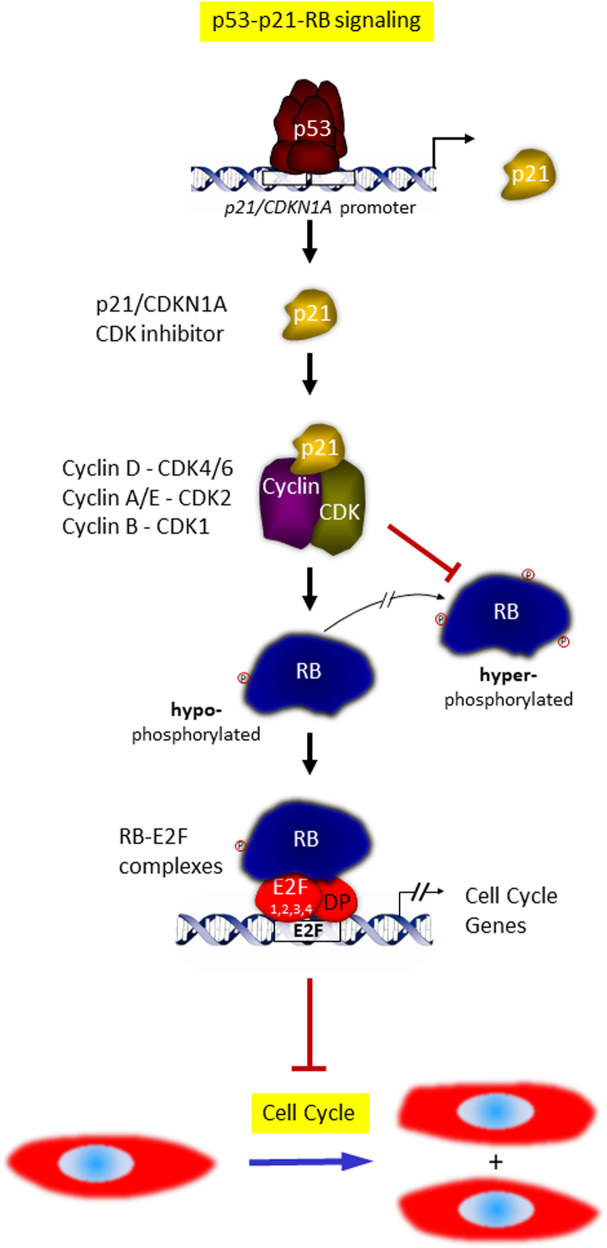
p53–p21–DREAM/RB transcriptional repression
We define how p53 activation is relayed through p21 and pocket-protein complexes to silence hundreds of genes required for cell-cycle progression.
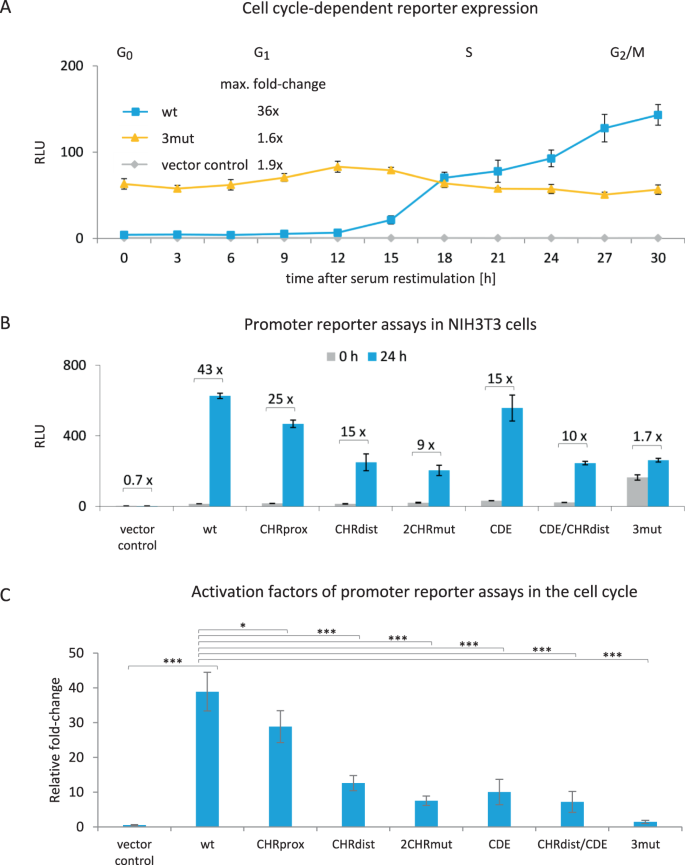
E2F/CHR promoter architecture and cell-cycle timing
We investigate how compact promoter elements encode phase-specific repression and activation from G1 through cytokinesis.
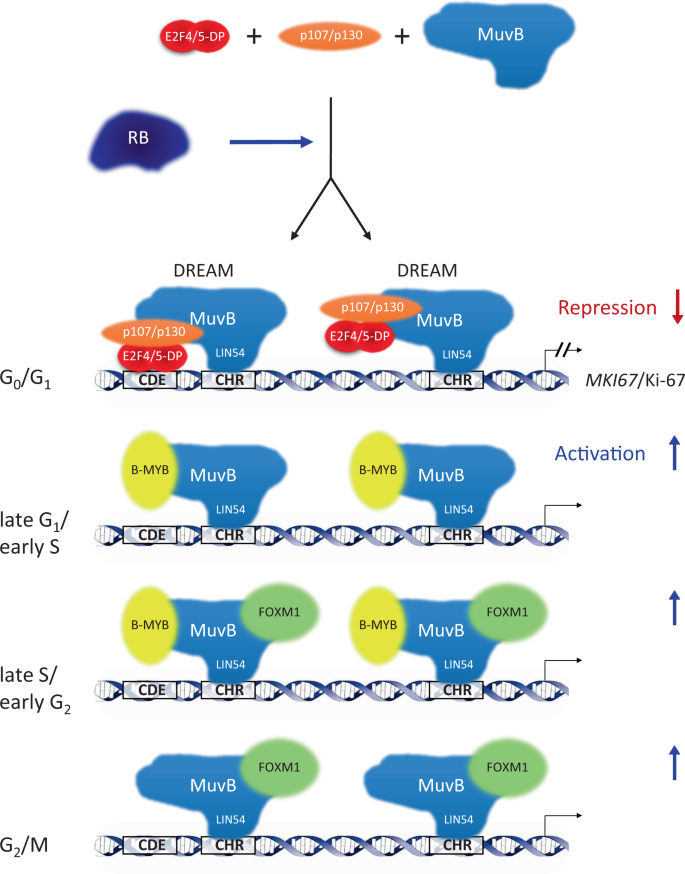
MYB–MuvB activation of mitotic genes
We study how B-MYB, A-MYB and FOXM1 engage the MuvB core to activate genes required for G2, mitosis and successful cell division.

DNA-repair transitions and quantitative cell fate
We connect transcriptional arrest with the selection of DNA-repair pathways and develop assays that measure division and death together.
Selected publications
Recent and defining work
BRCA1 and BRCA2 gene expression: p53- and cell cycle-dependent repression requires RB and DREAM
Cell Death & Differentiation
CeDaD—a novel assay for simultaneous tracking of cell death and division in a single population
Cell Death Discovery
A-MYB substitutes for B-MYB in activating cell cycle genes and in stimulating proliferation
Nucleic Acids Research
Cell cycle regulation: p53-p21-RB signaling
Cell Death Discovery
DREAM and RB cooperate to induce gene repression and cell-cycle arrest in response to p53 activation
Nucleic Acids Research
Join the lab